Buying & sellingPark City · Promontory · Talisker · Glenwild · Jeremy Ranch · Red Ledges · Victory Ranch
Land for sale in Park City is a homesite: a residential parcel with no built year in the county records. It is not a finished house, and it is not a condominium. Park City lots for sale still have to be read one parcel at a time. The view is what you notice first. The zone, the utility letters, the slope, and the design review decide whether the house you pictured can be built on that pad. The homesite search on this site is Park City land for sale.
A built year in the county records is a home. No built year is a homesite. A homesite still needs design review. It is not a house you can use this season. The wider row of active land is the listings search. An empty row is not a statement that no pad is offered. Open the homesite map for that community when the feed is thin. We do not publish a price per acre. Utah does not disclose a sold price, and this note does not print one.
The government named on the parcel
A mailing address that says Park City does not tell you which code applies. Park City real estate inside the city is Park City’s Land Management Code. Unincorporated ground around the city, the Snyderville Basin, is Summit County’s Snyderville Basin Development Code. Summit County’s development-codes page states that split in one place. The same page says the Eastern Summit County Development Code regulates the unincorporated area around Henefer, Coalville, Oakley, Kamas, and Francis. A lot inside a city is that city’s code. The office on that page is 60 North Main Street, Coalville, and the phone printed there is (435) 336-3200.
Wasatch Back real estate is more than one set of rules. Heber and Midway are in Wasatch County. A Park City overlay stays with the parcels the city has mapped. It does not follow a lot south of the Jordanelle. Read the jurisdiction on the parcel before you apply a section from the wrong code.
Promontory, Tuhaye, Old Town, and Heber
Promontory is the private club north of Park City, in the Snyderville Basin, in Summit County. Promontory homesites are the pads with no built year. A finished house on the same road is a different set of questions. Tuhaye homesites are the pads at Talisker Club golf above the Jordanelle. Tuhaye is sometimes filed under Kamas, Heber City, Hideout, or Park City. Confirm the county on the deed before you apply a Summit County section or a Wasatch County section. The Snyderville page is the basin neighborhood beside those clubs. Glenwild is the other private club on the north side. Jeremy Ranch is public streets north of the freeway. None of those is Old Town.
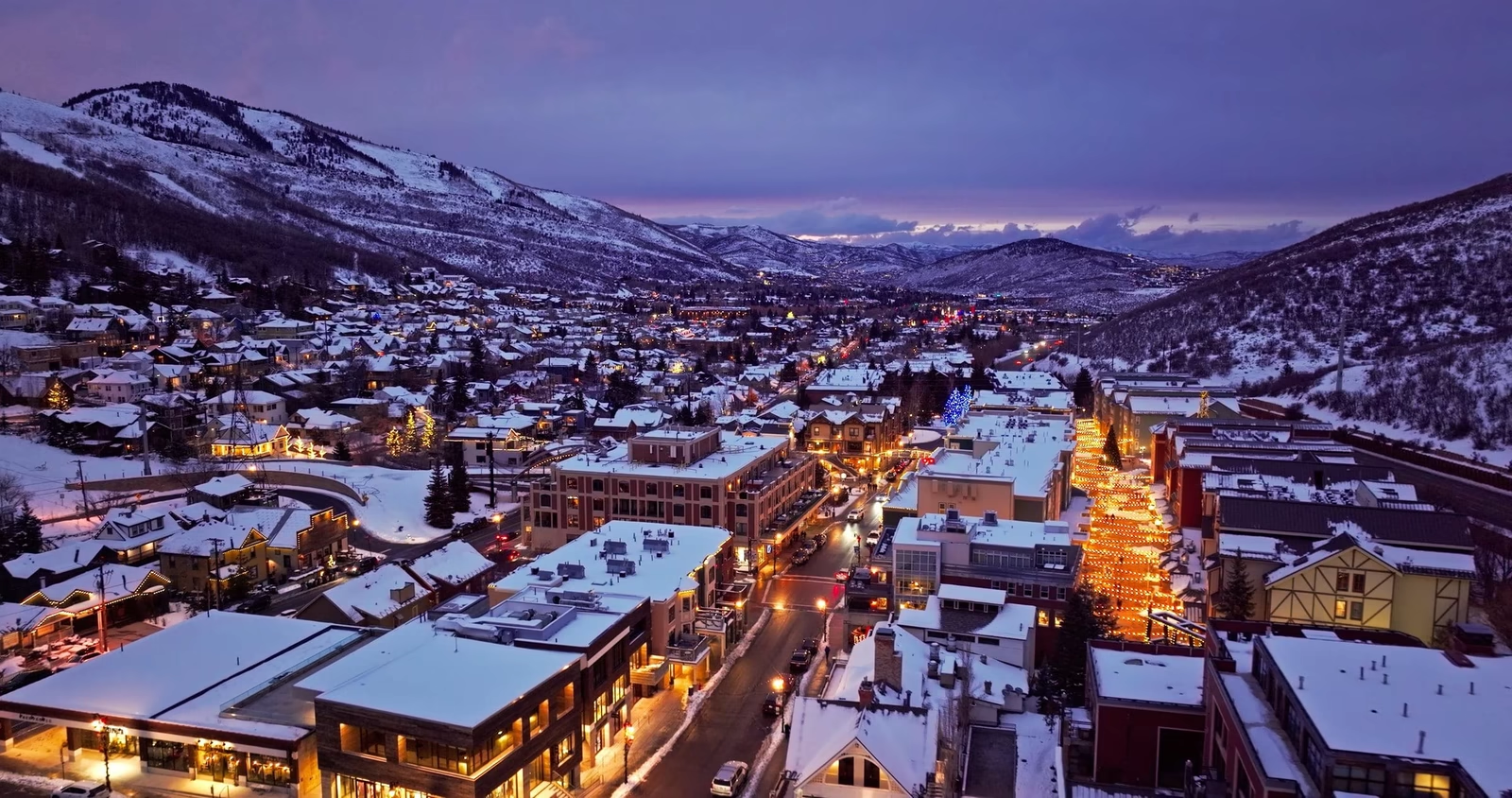
Old Town infill is inside Park City. A mining-era cottage and a later vacant lot can share a block and not share a review path. Historic-district review applies when the site is designated. The Old Town page is that neighborhood. A vacant lot there is not a club homesite, and it is not a ranch parcel north of town.
Land for sale in Heber may sit in Heber City, in Midway, or in unincorporated Wasatch County. Heber and Midway are south of the Jordanelle. They are not inside Park City. Red Ledges is a private club in Heber. Victory Ranch is the private community in Kamas, along the Upper Provo River. The Heber Valley page is the valley overview. The winter drive back to Park City is part of those lots. This note does not publish a drive time.
Design review in a club community
A club homesite is three clocks, and they do not start on the same day. The club’s design review is one. The city or county building permit is another. The builder’s schedule is the third. None of them is the closing date. This note does not print a timeline, a fee, or dues. Ask the club for the current design guidelines and the submittal steps in writing. A finished floor plan from another lot is not an approval for this one.
Membership is not the deed. The club may transfer a membership, require an application, or say the membership is not available. Owning the lot does not answer that. A gate, a fairway, and a ski-lodge benefit are club questions. They are not a sentence in the listing remarks.
Water, sewer, a well, or a septic system
In the Snyderville Basin, Summit County development code section 10-4-5 requires a willing-to-serve letter from the water supplier before a development permit is approved, and a commitment-of-service letter before a building permit. The same section limits an individual water system, where the county permits one, to mountain and remote areas on the land-use plan map, and to lots where a community system is not feasible. It says a water right and the associated well permit remain with the lot and are not transferable. Ask for the letter that matches the stage you are in. A neighbor’s well is not this lot’s water.
Section 10-4-6 requires a connection to the Snyderville Basin Water Reclamation District when the project is less than 300 feet from an existing or proposed district sewer line, or less than 300 feet from the boundary of a platted subdivision the district already serves. The district’s written notice of adequate capacity is not a reservation of that capacity. Capacity fees are due before a building permit. The district’s permit page says the Summit County and Park City building departments require the district’s sign-off before they issue a building permit inside the district’s service area. The office on that page is 2800 Homestead Road, Park City, and the main phone is (435) 649-7993.
Where the county allows a septic system, section 10-4-6 requires the health department to confirm percolation in the buildable area before a final plat, and it requires a plat note or a recorded memorandum. That note tells a buyer that a failed system, and a later connection to the district, are the owner’s expense. The district and the county are not responsible for that cost. Read the note on this plat. Do not borrow the note from the lot next door.
Wasatch County is a different file. The county’s water element, as posted by the Utah Division of Water Resources, names the Heber Valley Special Service District for wastewater serving Heber City, Midway, the Midway Sanitation District, and Charleston, and a separate mechanical plant below the Jordanelle for the Jordanelle basin. Confirm which provider, if any, will serve the parcel. A well and a septic system are still their own permits. Wasatch County’s planning department is at 35 South 500 East, Heber City. The phone on the county’s planning page is (435) 657-3205.
Slope, snow, and the road you will use
Inside Park City, the Sensitive Land Overlay is Land Management Code chapter 15-2.21. It applies where the overlay is mapped. It is not a label for every lot a listing calls Park City. Very steep slopes in that chapter are greater than 40 percent, measured on a rise of at least 25 feet and a run of at least 50 feet. The chapter prohibits development on or within 50 feet, map distance, of those very steep slopes, and it says 100 percent of a very steep slope area stays open space. The Planning Commission can vary the setback only when it makes the findings the code lists. Streets and roads generally may not cross slopes of 30 percent or greater. A short run of not more than 100 feet can be allowed if the planning director and the city engineer conclude it will not have significant adverse visual, environmental, or safety impacts.
In the Snyderville Basin, section 10-4-3 prohibits development within critical lands, as that title defines them, and says structures are clustered on the parts of the parcel that are not critical lands. The section lists exceptions, including when a legal parcel is itself critical land and there is no permissible place to build. Section 10-4-14 says a development shall provide adequate area for snow removal and storage. Walk the driveway in the season you will use it. A summer road and a January road are not the same road. Ask whether it is public, private, or gated, and who plows it.
Park City’s 2026 climatic design criteria do not print one ground-snow-load number for the city. The sheet marks that line See Below and sends residential projects to the Utah Ground Snow Load Map, and commercial projects to the ASCE Hazard Tool. Elevation and exposure change the design. A Park City sheet does not automatically govern a permit in Summit County or in Wasatch County. Ask which building department reviews this lot. This note does not print a pounds-per-square-foot figure.
Ridgelines and wildlife
Chapter 15-2.21 says one purpose of the overlay is to prohibit development on ridge line areas, steep slopes, and wetlands. In the ridge line section, 100 percent of the ridge line area stays open space. No structure, and no mechanical equipment, may visually intrude on the ridge line area from a designated vantage point. The chapter also has a hardship path if the rules would deny all reasonable use of the property. Ask whether this parcel is in the overlay, and whether the building pad sits in a ridge line area. The vantage-point test is the city’s, from places the code lists, including Main Street at Heber Avenue, the McPolin Barn, and Snow Park Lodge. It is not a photo taken from the driveway.
The same chapter requires a wildlife habitat report with a Sensitive Lands Analysis. The report covers the species using the site, the season, movement corridors, and species the state or federal government lists as threatened or endangered. Construction is organized to limit disturbance of sensitive or specially valued species. If the site contains, or is within 500 feet of, a natural area and the report finds those species, the plans have to keep that habitat from being disturbed or diminished, and improve it to the maximum extent feasible.
Summit County’s rules are sections 10-4-2 and 10-4-3. They are not the city’s chapter. Section 10-4-3 prohibits structures on ridgelines as viewed from Interstate 80, State Route 224, State Route 248, and U.S. 40. It prohibits development within 100 vertical feet of a ridgeline the ridgeline overlay identifies, with exceptions for existing lots of record, previously entitled developments, and resort lifts and runs. Section 10-4-2 says development that could harm critical wildlife habitat, including winter range, migration corridors, and birthing areas, takes reasonable steps to limit that harm when the Utah Division of Wildlife Resources, or another authoritative source, puts the concern in writing. That step may be clustering the build on the least sensitive part of the parcel. Heber and the Jordanelle are not this section. Read the county named on the deed.
Budget the build as its own file
The list price of the lot is not the cost of the house. An architect, a survey, design review, site work, a utility run, and the construction contract sit on top of that price. A steep pad, a long sewer extension, or a soils report can change the build even when the view does not. This note does not print a cost per square foot, a builder’s bid, or a price per acre. Budget the build as its own file, and ask the builder and the engineer for the numbers that belong to this parcel.
If you already own the land
A seller should have the file a buyer will ask to see. The plat. The jurisdiction and the zone. Whether the county record shows a built year. The water letter and the sewer letter, or a clear statement that the lot is on a well and a septic system, with the plat note. The club’s design guidelines, and what the club will say in writing about membership. Who plows the road. Describe the lot as a lot. A view is not a building permit, and a neighbor’s approval is not this parcel’s approval.
A private note on one parcel, which is not a published price and not a tax bill, starts at What's my home worth? This note is orientation. It is not a valuation, and it is not a permit. For the parcel in front of you, write [email protected] or use the contact page. Nick Melilli is at (954) 383-1478. Marcie Davis is at (435) 602-9577. Darrick Olsen is at (435) 640-1029. Derek Fossey is at (612) 248-7374. Nick has lived at Promontory for about 20 years. Marcie has belonged to Glenwild. Darrick’s business is mostly Tuhaye and Talisker. Derek is at Jeremy Ranch. The person you start with stays with you through closing.
The facts here were read on October 21, 2026 from Summit County’s development-codes page, Snyderville Basin Development Code sections 10-4-2, 10-4-3, 10-4-5, 10-4-6, and 10-4-14, Park City Land Management Code chapter 15-2.21 as published by the city, Park City’s 2026 climatic design criteria, the Snyderville Basin Water Reclamation District permit page, Wasatch County’s planning page, and Wasatch County’s water element as posted by the Utah Division of Water Resources. An advisor who works these parcels starts with that stack, then the lot. The page for that conversation is the Park City realtor page.
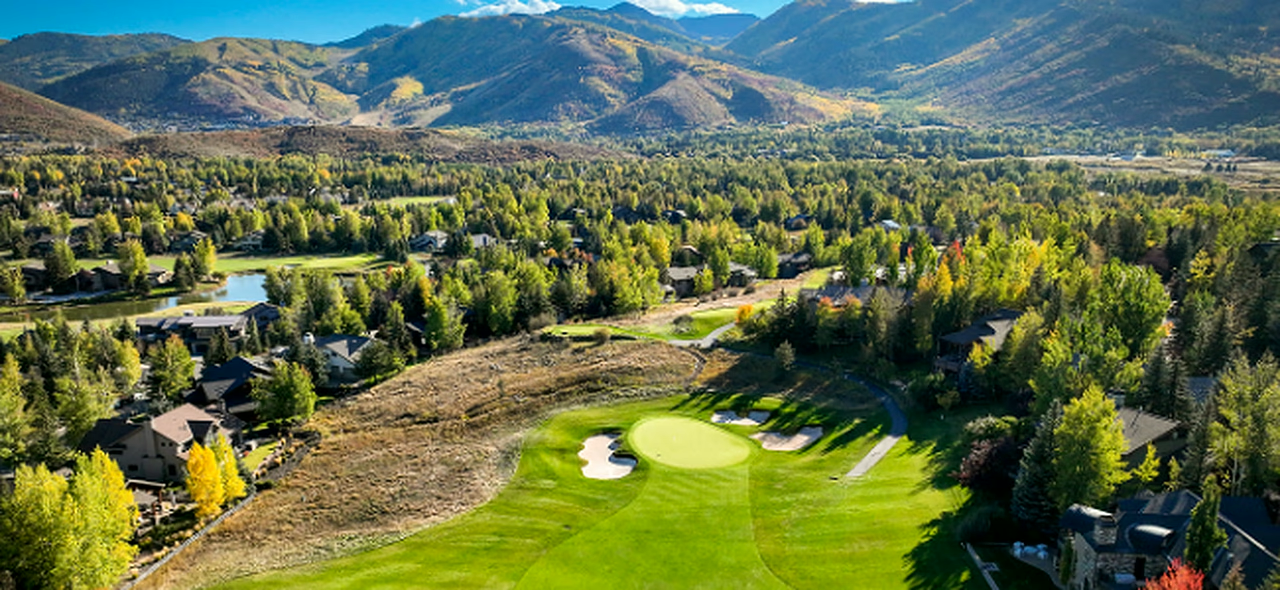
The cover is open meadow and homes in the Snyderville Basin, with the Wasatch behind. It is the basin, not a lot offered for sale.
Questions
What is land for sale in Park City on this site?
A homesite: a residential parcel with no built year in the county records. It is not a finished house and not a condominium. Park City lots for sale still have to be read one parcel at a time. The zone, the utilities, the slope, and the design review are separate from the view. Utah does not disclose a sold price, and this note does not print one.
Does a Park City mailing address mean Park City’s code applies?
No. Inside the city, Park City’s Land Management Code applies, including the Sensitive Land Overlay where it is mapped. Unincorporated ground around the city is Summit County’s Snyderville Basin Development Code. Unincorporated ground around Oakley, Kamas, and Francis is the Eastern Summit County Development Code. Heber and Midway are in Wasatch County. A lot inside a city is that city’s code. Read the jurisdiction on the parcel.
Does a club lot include membership and a building permit?
No. Membership is not the deed. The club may transfer a membership, require an application, or say it is not available. Design review, the city or county building permit, and the builder’s schedule are three different clocks. This note does not print a timeline or dues.
Is land for sale in Heber a Park City lot?
No. Land for sale in Heber may sit in Heber City, in Midway, or in unincorporated Wasatch County, south of the Jordanelle. Red Ledges is a private club in Heber. Park City’s overlay and the Snyderville Basin code do not travel with the drive. Confirm the jurisdiction and the utility provider for the parcel.
Written for this site by Melilli Davis Group. It is orientation, not a valuation and not a club policy. Where a sale is mentioned, Utah non-disclosure means last list price only.
All posts